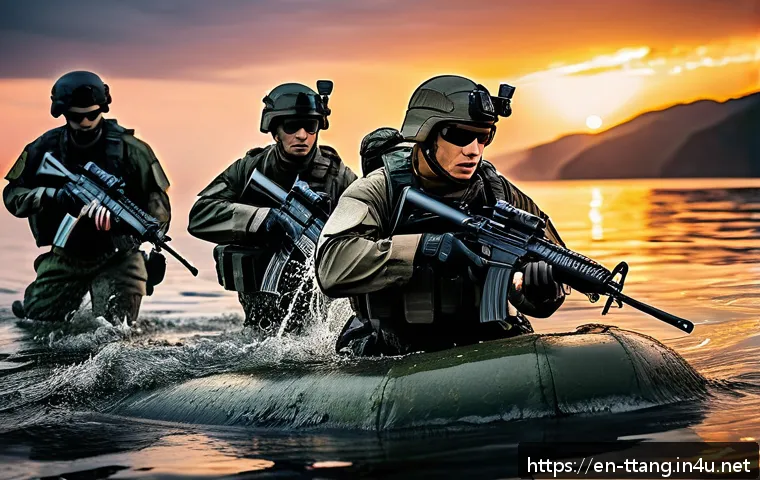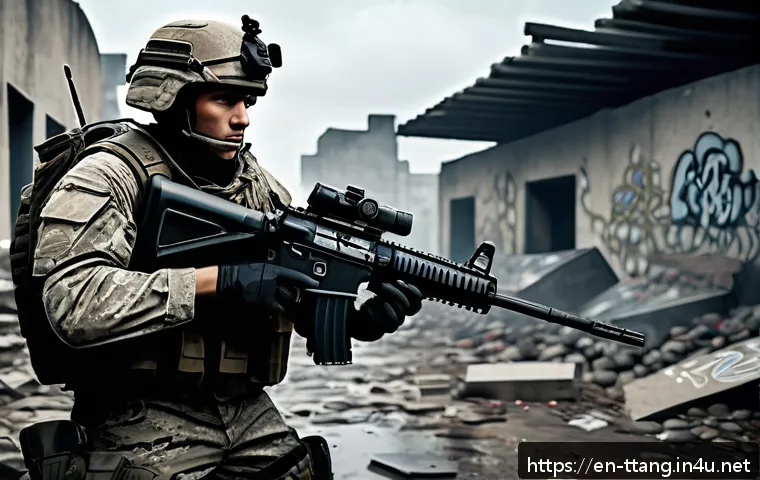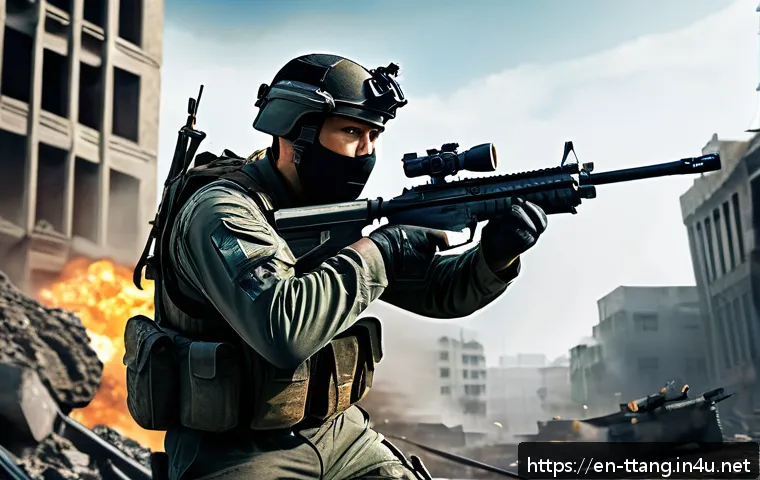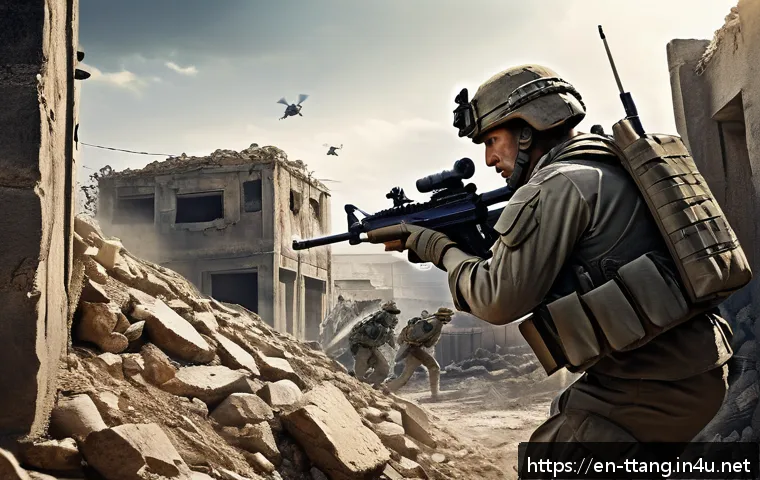
In today’s fast-paced gaming world, mastering enemy attack patterns is the key to climbing the ranks and securing ultimate victory. If you’ve been diving into TangTang Special Forces lately, you know how unpredictable and challenging opponents can be.
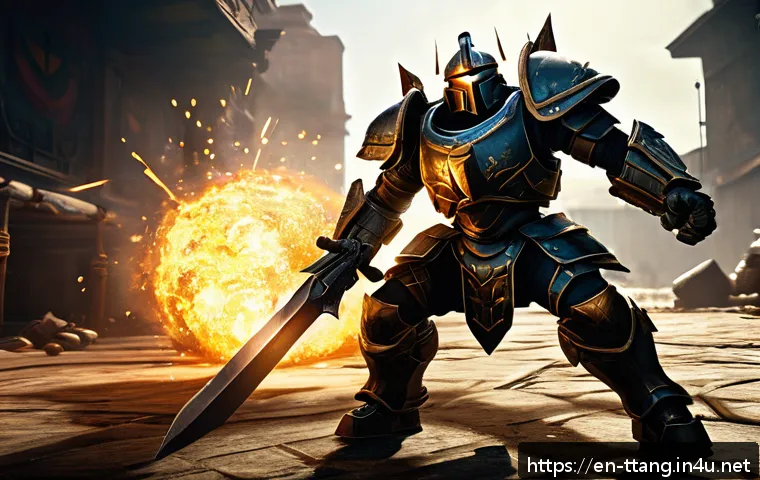
Understanding these patterns not only sharpens your reflexes but also transforms your gameplay strategy, giving you that crucial edge. Whether you’re a seasoned player or just starting out, unlocking these secrets can make all the difference.
Let’s explore how recognizing enemy moves can elevate your game and keep you ahead in every battle.
Decoding Enemy Movement and Attack Timing
Reading the Patterns Behind Enemy Movements
One of the first things I noticed when playing TangTang Special Forces is how each enemy type follows a unique movement rhythm. It’s not random; they often circle around, pause briefly, or rush forward in predictable bursts.
When you spend enough time observing, you start to catch these subtle tells—like a slight hesitation before an attack or a distinct footstep pattern. I found that standing still for a moment to watch rather than rushing in blindly helped me anticipate their next move better.
This is especially true for ranged enemies who tend to reposition themselves at set intervals before firing. Recognizing these patterns lets you dodge more effectively and plan counterattacks with precision.
Mastering Attack Windows for Maximum Defense
Attack timing is everything. Enemies in TangTang Special Forces usually telegraph their strikes through animations or sound cues, and if you can tune into these, you’ll avoid a lot of damage.
For example, certain foes have a wind-up phase where their weapon glows or they grunt before swinging. Learning to identify these windows gives you a split-second advantage to either block, parry, or reposition.
I remember a moment where I almost gave up because I kept getting hit by a heavy-hitting enemy. Once I slowed down and focused on their attack rhythm, suddenly, dodging became second nature, and the battles turned in my favor.
This approach not only reduces frustration but also increases your confidence during intense firefights.
Using Movement Patterns to Predict Enemy Strategy
Enemies don’t just attack randomly; their movement often signals their overall strategy. Aggressive enemies might charge directly at you, while defensive ones hang back and wait for openings.
I started grouping enemies by their approach style, which helped me prioritize targets. For instance, I’d take out the flankers first because their unpredictable circling could corner me.
Meanwhile, enemies that stuck to cover were less of an immediate threat. This strategic awareness comes from observing repeated encounters, and it completely changes how you navigate the battlefield.
Instead of reacting blindly, you begin to anticipate group behavior, making your gameplay smoother and more tactical.
Understanding Boss Attack Cycles and Weak Points
Breaking Down Multi-Phase Boss Fights
Boss battles in TangTang Special Forces often feature multiple phases, each with its own attack set and behavior changes. I found that the key to surviving these fights is patience and careful study.
The first phase usually involves testing your reactions with basic attacks, while later phases ramp up aggression and introduce new moves. For example, one boss I faced switched from ranged attacks to close-quarters slams midway through the fight.
Knowing when to switch from defense to offense based on these phases dramatically improved my success rate. Tracking the boss’s health bar and matching it with their attack changes became a crucial part of my strategy.
Spotting and Exploiting Boss Weak Points
Almost every boss has a weak spot, but these aren’t always obvious at first glance. Sometimes the weak point is revealed only after a certain attack or phase transition.
I remember a boss that looked invulnerable until it performed a heavy charge, which left it staggered for a few seconds. Those moments are golden opportunities to deal serious damage.
Learning to recognize these openings requires a mix of observation and trial-and-error, but the payoff is huge. In one fight, I managed to exploit a weak point repeatedly, cutting down the boss’s health faster than expected.
This kind of knowledge makes boss fights less daunting and more rewarding.
Adapting to Unexpected Boss Attack Variations
Even after mastering a boss’s standard patterns, there can be surprises. Some bosses have random attack variations or “enrage” modes that trigger under certain conditions, like low health or prolonged combat.
I once faced a boss that started using a previously unseen area attack after I kept dodging its regular moves perfectly. This forced me to adjust my approach on the fly, emphasizing mobility and patience.
Being flexible and ready to change tactics is just as important as memorizing patterns. When you expect the unexpected, you stay calm and keep control, which is essential for those nail-biting final moments of a boss fight.
Utilizing Environmental Awareness to Outsmart Opponents
Leveraging Terrain for Defensive Advantage
The battleground in TangTang Special Forces isn’t just a backdrop; it’s a critical element of combat. I learned early on that using cover effectively can turn the tide of a fight.
Walls, crates, and other obstacles provide protection from ranged attacks and give you a moment to catch your breath or reload. Enemies tend to have limited vision or movement around certain terrain features, so positioning yourself strategically can reduce the number of incoming attacks.
I often maneuver to choke points where enemies have to funnel through, making them easier to hit while minimizing my exposure. This environmental play adds a layer of depth to the combat that’s easy to overlook but incredibly powerful.
Using Environmental Hazards Against Enemies
Some maps feature hazards like explosive barrels, traps, or environmental damage zones. I found that luring enemies into these hazards can save ammo and effort.
For instance, pushing or baiting foes near an explosive barrel often leads to chain reactions that wipe out groups quickly. It’s satisfying to see your enemies fall victim to their surroundings, and it rewards tactical thinking beyond just aiming and shooting.
Learning the placement of these hazards and timing your attacks around them turned out to be a game-changer, especially in high-pressure scenarios with multiple adversaries.
Moving with the Environment to Maintain Offensive Pressure
Staying mobile in the environment is key to maintaining offensive pressure without becoming an easy target. I made it a habit to constantly move between cover points and use verticality when possible, like jumping to higher ground or dropping down behind enemies.
This not only confuses opponents but also opens up new angles for attack. Some enemies struggle to adjust when you shift positions unpredictably, giving you an edge in both offense and defense.
I noticed my kill rates improved significantly once I stopped camping in one spot and started using the environment dynamically. It’s a small habit that pays off big in intense firefights.
Analyzing Weapon Choices and Their Impact on Combat Flow
Matching Weapon Types to Enemy Behavior
Weapon choice in TangTang Special Forces heavily influences how you engage with enemies. I experimented with a variety of guns and realized that certain weapons excel against specific enemy types.
For example, fast-firing SMGs work great against small, agile foes, while shotguns dominate in close-quarters against tougher enemies. Sniper rifles, meanwhile, are perfect for picking off ranged attackers from a distance before they become a threat.
Understanding these matchups helped me customize my loadout for each mission, ensuring I wasn’t caught off guard. Trying to force one weapon style on all situations usually ended badly, so flexibility became my mantra.
Balancing Between Aggressive and Defensive Loadouts
I noticed that some weapons encourage aggressive playstyles, like assault rifles that reward pushing forward, while others support a defensive approach, such as heavy machine guns that suppress enemies.
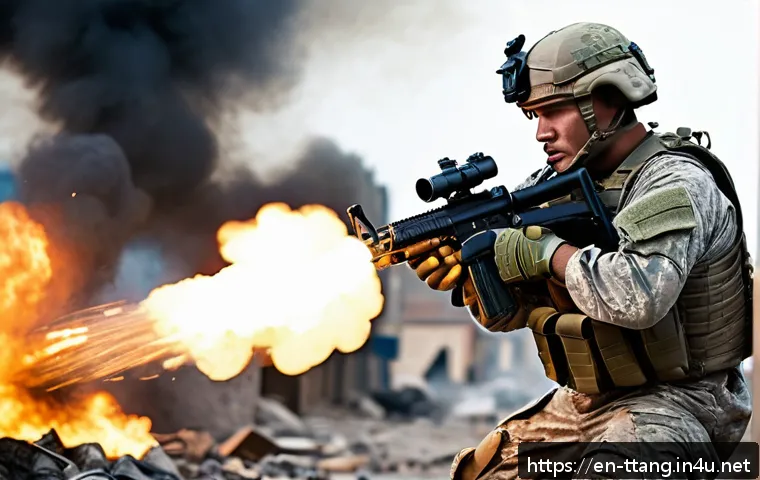
Finding the right balance between these two extremes is crucial. In some missions, I favored aggressive setups to quickly clear enemies before they could organize, while in others, a defensive loadout allowed me to hold chokepoints and survive longer.
Switching between these styles based on the enemy composition and map layout made a huge difference in how smoothly I could progress through levels. It’s all about adapting your gear to the battlefield conditions.
Upgrading Weapons to Maximize Efficiency
Upgrades are vital to keeping your weapons effective against increasingly tough enemies. I made sure to prioritize upgrading damage, reload speed, and accuracy as these stats directly impacted combat flow.
One upgrade that stands out is recoil reduction—it made rapid-fire weapons much easier to control, which in turn improved my hit rate. I also experimented with special attachments like silencers or extended magazines, which gave me tactical advantages in specific scenarios.
Investing time and resources into weapon upgrades felt rewarding because I could see the immediate impact in my gameplay performance, especially during boss fights and large enemy waves.
Recognizing Enemy Group Dynamics and Synergies
Identifying Enemy Roles Within Groups
Enemies rarely act alone—they come in packs with distinct roles that complement each other. I began to notice patterns where some enemies acted as tanks, drawing fire and absorbing damage, while others provided support through ranged attacks or crowd control abilities.
Recognizing these roles helped me prioritize targets more effectively. For example, taking out healers or ranged snipers first reduced the group’s overall threat level.
Ignoring these distinctions often led to getting overwhelmed quickly, but once I started focusing fire on key threats, battles became more manageable and less chaotic.
Exploiting Synergies to Break Enemy Formations
Certain enemy combinations create dangerous synergies, like a shielded enemy paired with fast attackers or enemies that buff each other’s damage. I found that breaking these synergies early by isolating or disrupting one member could collapse the entire formation.
For instance, stunning or knocking back a support enemy often caused the rest to lose coordination. This tactic requires quick thinking and sometimes sacrificing a bit of defense to strike at the right moment.
Over time, I got better at spotting these combos before the fight even started, which allowed me to plan my approach and avoid getting trapped.
Adapting to Changing Enemy Group Tactics Mid-Battle
Enemy groups don’t always stick to a single strategy; they can adapt mid-fight based on your actions. I experienced situations where enemies would switch from aggressive charges to defensive retreats if I pushed too hard.
Conversely, some groups would call for reinforcements or use special abilities when their numbers dropped. Staying flexible and adjusting my tactics on the fly was essential.
I learned to keep an eye on enemy behavior shifts and respond accordingly, whether by retreating to heal or doubling down on offense. This dynamic flow keeps battles fresh and tests your ability to think quickly under pressure.
| Enemy Type | Movement Pattern | Attack Style | Weakness |
|---|---|---|---|
| Ranged Sniper | Positions at high ground, periodic repositioning | Long-range shots with wind-up | Vulnerable during reload and repositioning |
| Heavy Tank | Slow, direct charge | Close-range slam attacks | Staggered after charge attack |
| Agile Flanker | Circles player rapidly | Quick melee strikes | Low health, exposed when attacking |
| Support Healer | Stays behind frontline | Heals allies, minimal attack | Low defense, priority target |
| Explosive Specialist | Maintains mid-range, uses grenades | Area damage attacks | Exposed during grenade throw |
Incorporating Psychological Tactics to Outsmart Opponents
Using Feints and Baiting to Draw Out Attacks
I found that sometimes the best way to win isn’t just through brute force but by messing with the enemy’s expectations. Feinting an attack or pretending to retreat often lures enemies into overcommitting, leaving them vulnerable.
For example, stepping out of cover briefly to bait a shot and then dodging can cause enemies to reload or pause, giving you a precious opening. This tactic requires timing and a good feel for enemy reaction speeds, but when done right, it turns the tables psychologically.
It’s like playing chess with your foes, making them second-guess their every move.
Maintaining Composure Under Pressure
One of the toughest challenges is staying calm when things get chaotic. I’ve been in countless firefights where panic led me to make sloppy mistakes or waste valuable ammo.
Practicing deep breaths and focusing on pattern recognition instead of raw reaction helped me keep cool. When you’re calm, you’re more likely to catch subtle tells and make smarter decisions.
Over time, this mental discipline became as important as mechanical skill. It’s not just about how fast you can move or shoot, but how well you manage stress and think ahead.
Turning Enemy Predictability into Your Advantage
Enemies in TangTang Special Forces can seem relentless, but their predictability is actually an advantage once you know what to look for. By observing their habits and sticking to a plan, you can manipulate their behavior to your benefit.
For instance, repeatedly dodging at the right moment can frustrate enemies into making mistakes or predictable attacks. I experienced moments where my patience and knowledge forced enemies into traps or awkward positions, making fights feel more like strategic puzzles than just raw combat.
This shift in mindset made the game more engaging and satisfying overall.
In Closing
Mastering enemy behavior and attack timing is key to excelling in TangTang Special Forces. By carefully observing patterns and adapting your tactics, you gain a significant edge in combat. Combining strategic use of the environment and weapon choices further enhances your chances of success. Ultimately, patience and flexibility turn challenging encounters into rewarding victories.
Helpful Tips to Remember
1. Always take a moment to observe enemy movements before engaging; recognizing their patterns reduces surprise attacks and improves your defense.
2. Pay close attention to attack cues like animations or sounds to time your blocks and dodges perfectly, minimizing damage taken.
3. Use environmental elements such as cover and hazards to your advantage, turning the battlefield into a strategic ally rather than just a backdrop.
4. Customize your weapons and loadouts based on enemy types and mission objectives, balancing aggressive and defensive playstyles for optimal results.
5. Stay calm under pressure and use psychological tactics like feints and baiting to manipulate enemy behavior, gaining control over the fight’s flow.
Key Takeaways
Understanding enemy roles and group dynamics enables you to prioritize threats effectively and dismantle formations before they become overwhelming. Boss fights demand patience and adaptability, as phases and unpredictable attacks require shifting strategies on the fly. Leveraging environmental awareness and upgrading weapons ensures your combat efficiency remains high throughout intense battles. Maintaining composure and exploiting enemy predictability transform encounters into tactical challenges rather than chaotic skirmishes. Keeping these principles in mind will elevate both your gameplay experience and success rate.
Frequently Asked Questions (FAQ) 📖
Q: uestionsQ1: How can I quickly learn enemy attack patterns in TangTang Special Forces?
A: The best way to quickly grasp enemy attack patterns is through repeated exposure and active observation during gameplay. Pay close attention to the timing, range, and visual cues of each enemy’s moves.
I found that slowing down my play initially and focusing on one enemy type at a time helped me internalize their behavior. Also, practicing in training modes or lower-level matches gives you a safe environment to recognize patterns without the pressure of high stakes.
Q: What are some effective strategies to counter unpredictable enemy attacks?
A: When facing unpredictable attacks, staying calm and adaptable is crucial. I’ve noticed that maintaining a flexible defense—like keeping a safe distance and using quick dodges—allows you to react rather than just defend.
Learning to bait enemies into revealing their next move by using feints or controlled aggression can also turn the tide. Don’t hesitate to switch up your weapons or tactics mid-battle if you notice certain attacks consistently breaking through your defenses.
Q: Does mastering enemy attack patterns really improve overall game performance?
A: Absolutely. From my experience, understanding enemy patterns doesn’t just help you survive longer; it empowers you to take control of the fight. When you predict attacks, you conserve energy and ammunition by avoiding unnecessary damage and wasted moves.
This awareness boosts your confidence, enabling more aggressive and strategic plays that often catch opponents off guard. Ultimately, it’s the difference between reacting blindly and playing with intention, which is essential for climbing ranks in TangTang Special Forces.