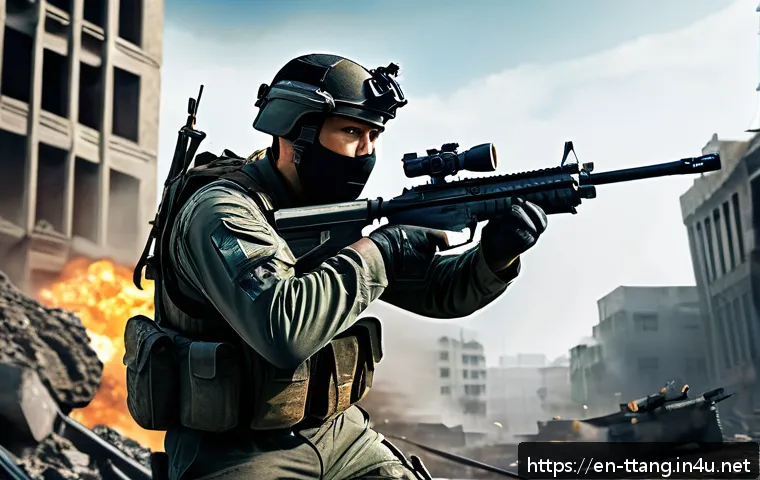
As the gaming world constantly evolves, mastering character balance has become the key to dominating titles like TangTang Special Forces. With fresh updates shaking up gameplay dynamics, understanding how to optimize each character’s strengths is more crucial than ever.
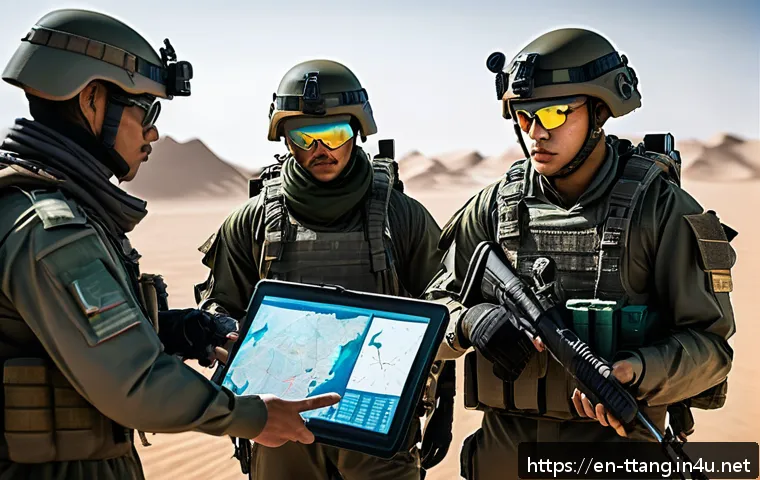
Whether you’re a seasoned player or just diving in, striking the right balance can turn the tide of battle in your favor. In this guide, I’ll share proven strategies that helped me improve my win rate and enjoy the game on a whole new level.
Stick around to unlock the secrets behind crafting unbeatable teams and staying ahead in this fast-paced arena.
Understanding Core Strengths of Each Character
Identifying Unique Skill Sets
Every character in TangTang Special Forces brings something unique to the table, and the first step to mastering balance is knowing these differences inside out.
For example, some characters specialize in rapid-fire attacks, while others excel in defense or healing abilities. I noticed that when I focused too heavily on one type, like damage dealers, my team lacked survivability, causing quick defeats.
Balancing these skill sets means pairing characters whose abilities complement each other, ensuring your squad can both dish out damage and sustain through tough encounters.
Assessing Mobility and Range
Mobility often gets overlooked, but it’s a game-changer in TangTang. Characters with high mobility can flank enemies or retreat when overwhelmed, creating tactical advantages.
I found that combining a slow but powerful sniper with a fast scout opened up opportunities for surprise attacks and quick escapes. Range also plays a crucial role; mixing short-range brawlers with long-range snipers creates a layered defense and offense.
When you understand the mobility and attack ranges, it becomes easier to position your team effectively on the battlefield.
Evaluating Cooldown and Resource Management
Abilities with shorter cooldowns allow for more frequent use, but sometimes longer cooldown skills pack a bigger punch or provide stronger buffs. Managing these cooldowns strategically is vital.
I learned through trial and error that timing powerful abilities to coincide with enemy weaknesses or team combos dramatically improved my win rate. Additionally, keeping an eye on resource consumption—whether it’s stamina, energy, or ammo—prevents you from running out at critical moments.
Balancing characters with varying cooldowns and resource needs ensures you always have options during fights.
Synergy Between Characters and Team Composition
Combining Offensive and Defensive Roles
Building a team purely focused on offense can be thrilling but often leads to quick losses against balanced opponents. I shifted my approach by adding characters with defensive skills or crowd control abilities.
This mix allowed me to control the pace of battles better. For instance, pairing a tank character who absorbs damage with a high DPS (damage per second) player creates a frontline that lets your damage dealers thrive.
The synergy between offense and defense creates a more adaptable and resilient team.
Leveraging Buffs and Debuffs
Certain characters provide buffs that enhance allies’ attack speed, damage, or defense. Others can debuff enemies, reducing their effectiveness. These effects stack in interesting ways, and I found that timing them right can turn the tide of a match.
Experimenting with different combinations revealed some surprisingly powerful setups. For example, a character who slows enemies paired with one who deals area damage can decimate groups before they can react.
Recognizing and utilizing these buffs and debuffs is key to maximizing team potential.
Role Flexibility and Adaptability
Rigid roles can sometimes be a disadvantage in a dynamic game like TangTang Special Forces. I started training characters to perform multiple roles—such as a damage dealer who can also heal or a scout who can tank briefly.
This flexibility lets you adjust your team on the fly depending on the opponent’s strategy. I recall a match where my usual sniper was countered heavily, but switching to a more versatile character saved the game.
Cultivating adaptability in your team’s composition keeps you one step ahead.
Mastering Timing and Positioning
Optimal Use of Skill Windows
Even the strongest characters falter if their skills aren’t timed well. I noticed that activating abilities too early or too late often wastes their potential.
Learning the rhythm of each character’s skills, such as when buffs peak or when crowd control lasts longest, helped me anticipate battles better. This timing mastery allows you to chain abilities for maximum impact or save crucial skills for clutch moments, which can be the difference between victory and defeat.
Effective Positioning to Exploit Strengths
Positioning isn’t just about staying alive—it’s about maximizing damage and minimizing risk. Characters with long-range attacks should hang back, while close-range fighters need to get up front but avoid being isolated.
I found that moving characters in sync, covering each other’s blind spots, made it much harder for opponents to pick off my team. Using terrain and map features to your advantage also lets you control choke points or escape routes.
Proper positioning turns the battlefield into a playground rather than a minefield.
Countering Enemy Movements
Predicting enemy positioning and movement patterns is a skill I developed by watching replays and learning from mistakes. For example, if the enemy relies heavily on one character’s mobility, setting traps or focusing fire on that character early disrupts their strategy.
I also started using bait tactics—sending in a fast character to lure opponents into ambushes. Anticipating and reacting to enemy moves with well-timed positioning often allowed me to dictate the flow of the match.
Balancing Aggression and Defense
Knowing When to Push Forward
Aggression in TangTang Special Forces can overwhelm opponents but overcommitting is risky. I used to rush in hoping to finish fights quickly, only to get caught off guard by counters.
Over time, I learned to read the battlefield better and identify safe windows for aggressive plays. Coordinating with teammates to push together rather than solo charges improved my success rate.
Pacing your aggression keeps the pressure on opponents without exposing your team to unnecessary danger.
Building a Solid Defensive Strategy
Sometimes, defense wins the game. Setting up characters with healing or shielding abilities in key spots can turn your team into a fortress. I experimented with defensive formations that forced enemies into narrow attack paths, where my area damage characters could shine.
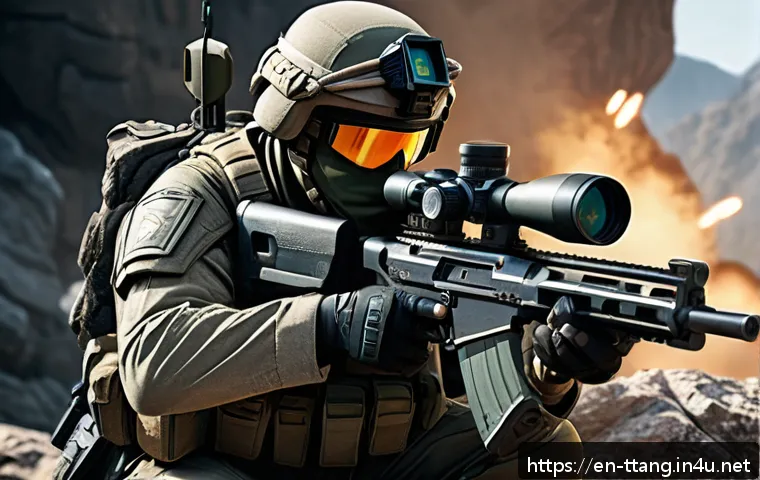
Patience during defense phases often led to punishing enemy mistakes. Defense isn’t passive—it’s a proactive way to control the pace and frustrate opponents into making errors.
Balancing Risk and Reward in Combat
Every offensive move carries risk, and balancing this with defensive caution is an art. I developed a habit of assessing the potential payoff before committing to risky plays.
For example, going all-in to secure a kill might leave your team vulnerable to counterattacks. Sometimes it’s better to chip away at enemies steadily rather than chasing flashy plays.
This calculated balance between risk and reward helped me maintain consistency in winning rather than relying on lucky breaks.
Optimizing Character Upgrades and Equipment
Prioritizing Key Attributes
Upgrading characters isn’t just about leveling up; it’s about focusing on the right attributes that enhance their strengths. I found that pumping resources into attack power for damage dealers and health or defense for tanks gave the best returns.
Ignoring secondary stats initially helped me avoid spreading upgrades too thin. Concentrating on what makes each character excel maximizes their impact in matches.
Choosing the Best Equipment for Roles
Equipment can dramatically alter a character’s performance. I experimented with various gear sets and found that matching equipment bonuses with character roles amplified their effectiveness.
For example, equipping a sniper with gear that increases critical hit rate improved damage output significantly. Meanwhile, tanks benefited more from armor and health boosts.
Understanding how equipment interacts with character skills allowed me to customize loadouts that fit my playstyle perfectly.
Managing Resources Efficiently
Resource management is a huge part of progression in TangTang. I learned the hard way that hoarding upgrade materials without a plan leads to stagnation.
Instead, setting clear goals for which characters to focus on and allocating resources accordingly sped up my improvement. Balancing between upgrading multiple characters for flexibility and investing deeply in a few for power requires thoughtful planning.
Efficient resource use ensures your team stays competitive as the meta evolves.
Comprehensive Character Role Overview
| Role | Primary Strengths | Weaknesses | Ideal Team Placement | Best Equipment Focus |
|---|---|---|---|---|
| Damage Dealer (DPS) | High burst damage, offensive skills | Low defense, vulnerable to crowd control | Mid to backline | Attack power, critical hit rate |
| Tank | High health, damage absorption | Low mobility, limited damage output | Frontline | Health, armor, defense |
| Support | Healing, buffs, crowd control | Moderate damage, can be targeted easily | Backline | Cooldown reduction, resource regeneration |
| Scout/Assassin | High mobility, quick burst damage | Fragile, requires good positioning | Flanking positions | Speed, critical damage |
Adapting to Meta Changes and Updates
Staying Informed About Patch Notes
The developers frequently update TangTang Special Forces, tweaking character stats and introducing new features. I made it a habit to read patch notes thoroughly and test changes in practice mode.
This proactive approach helped me adjust strategies before jumping into ranked matches. Ignoring updates can leave you stuck with outdated tactics, so staying informed is crucial for maintaining an edge.
Experimenting with New Characters and Builds
Whenever new characters are released, I resist the urge to stick only with familiar favorites. Instead, I experiment with newcomers to discover hidden synergies and fresh playstyles.
This experimentation keeps the game exciting and often uncovers overpowered combos before they become widely known. Adapting builds based on new additions or meta shifts ensures your team remains unpredictable and strong.
Learning from the Community and Competitive Play
Watching streams, reading forums, and participating in community discussions expose you to diverse strategies and insights. I picked up valuable tips by observing how top players balance their teams and handle tough matchups.
Engaging with the community also provides motivation and new ideas to refine your approach. Combining personal experience with community knowledge accelerates your growth as a TangTang player.
Closing Thoughts
Mastering the core strengths of each character and understanding team synergy are essential for success in TangTang Special Forces. By balancing offense, defense, timing, and positioning, you create a flexible and powerful squad. Continuous adaptation to meta changes and strategic upgrades will keep you ahead of the competition. With practice and thoughtful planning, every match becomes an opportunity to refine your skills and enjoy the game even more.
Useful Tips to Keep in Mind
1. Always assess each character’s unique skills to build a well-rounded team rather than focusing on a single strength.
2. Pay close attention to mobility and attack ranges to position your team strategically on the battlefield.
3. Manage cooldowns and resources smartly to maintain consistent pressure without running out of vital abilities.
4. Experiment with different team compositions and be flexible in your roles to counter opponents effectively.
5. Stay updated with game patches and community insights to adapt your strategies and maintain an edge.
Key Takeaways
Understanding each character’s role and strengths enables better team composition and gameplay balance. Combining offensive and defensive abilities creates synergy that adapts to various situations. Timing and positioning are crucial for maximizing skill effectiveness and controlling the flow of battle. Efficient resource management and equipment choices enhance overall performance. Lastly, staying informed and flexible helps you navigate meta shifts and improve continuously.
Frequently Asked Questions (FAQ) 📖
Q: How do I identify the best character combinations for team balance in TangTang Special Forces?
A: From my experience, the key is to focus on complementary skills rather than just picking the strongest characters. For example, pairing a high-damage attacker with a reliable support or healer can keep your team sustainable in longer matches.
I usually test different lineups in casual matches to see how their abilities synergize under pressure. Watching how their cooldowns and special moves interact helped me find combos that consistently outperform others.
Don’t just rely on stats—try to feel the flow of each character’s role in your team.
Q: What’s the most effective way to adapt character balance after game updates?
A: Whenever an update drops, I immediately check patch notes to understand what’s been buffed or nerfed. But theory only gets you so far—jumping into real matches right after helps you see the practical impact.
For instance, a character that seemed weaker on paper might still shine with the right playstyle or team setup. I recommend focusing on a core group of characters and tweaking your strategies based on the new meta rather than switching to every “top” pick.
This approach saved me from constantly chasing trends and helped me maintain steady wins.
Q: How can beginners quickly improve their character balance skills in fast-paced gameplay?
A: Starting out, it’s tempting to pick flashy characters, but I found that understanding each character’s strengths and weaknesses is far more valuable. Spend time in practice modes to get a feel for their movement and attack patterns.
Also, watch gameplay videos or streams from experienced players to see how they balance offense and defense. Don’t hesitate to experiment with different roles—sometimes playing a support or tank taught me more about team balance than just focusing on damage dealers.
Patience and consistent practice are your best friends here.